Best bike radar compatible with a D-shaped seatpost 2026, top picks and comparison
Is the bike radar for D-shaped seatposts you are interested in compatible with your bike? Consult the buying guide further down the page to check the mount and receiver.
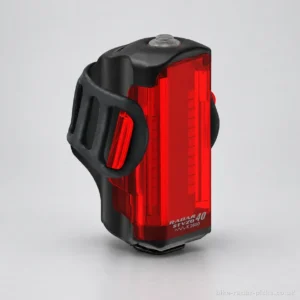
Prices collected from retailers are for guidance only: they may have changed since, the current price is the one shown by the retailer. No price is shown for models sold only on Amazon. Amounts converted from reference prices in euros using a dated exchange rate.
Where this selection comes from
- 3 models selected because they have the feature “For D-shaped seatposts” according to data published by manufacturers and retailers.
- See how we rate →
- No brand pays to be included in this selection or to rank higher.
Why is the mount for a bike radar on a D-shaped seatpost so important?
Why the mount matters as much as the radar
The best bike radar for a seatpost with a D-shaped profile is one whose mount is explicitly compatible with your seatpost and whose alerts can be received on your equipment. The available excerpts do not identify a winning model for this seatpost shape. Choosing therefore starts with the radar, mount and receiver combination.
This approach helps you avoid buying a device that looks promising on paper but cannot be fitted properly to your bike. It is particularly relevant to road cyclists, gravel riders and anyone who wants more advance warning of approaching vehicles on their daily journeys.
This range does not cover the entire market. Also budget for the possible cost of an adapter, a separate mount and a compatible receiver.
Why a D-shaped seatpost requires a careful compatibility check
The term “D-shaped” describes a general shape, not a mounting specification. It therefore does not establish whether a mount will fit your seatpost. Likewise, stated compatibility with an aerodynamic seatpost does not automatically confirm compatibility with your proprietary profile.
Look for documented compatibility between your seatpost and the mount you are considering. Before choosing, gather the relevant information:
- The brand, model and exact reference of the seatpost.
- The profiles and dimensions supported by the mount.
- The space available alongside your bag and other accessories.
- The fitting instructions applicable to the seatpost material.
If the documentation remains vague, ask the mount manufacturer for confirmation. A “universal” label is no substitute for this check.
How a rear radar can help you
The sources presented describe devices that alert you to vehicles approaching from behind. The practical benefit is to help you anticipate their arrival, particularly on stretches of road shared with traffic. This information can support your awareness during a solo ride or commute.
It is important to distinguish between detection, which informs you, and lighting, which helps you stay visible. Their functions should be considered separately. An alert does not guarantee that an overtaking manoeuvre will be safe and never replaces a visual check before manoeuvring.
Whether you are looking for a Garmin-compatible bike radar or a Wahoo-compatible bike radar, check compatibility with your specific bike computer. The brand name alone does not confirm which functions are available.
How we put this selection together
Our approach is based on analysing specifications and available content, without physically handling the products. Excerpts from Gravelpassion, Cleanrider and BlogCyclisme help identify models and advertised features. However, they do not document how these fit each D-shaped seatpost or provide enough feedback to draw a conclusion on this point.
We therefore distinguish between verified information and compatibility that still needs confirmation. Browse the selection on this page with your seatpost model reference to hand. Start with kits whose mounting and alert reception are documented, then compare their features and total cost.
How do you choose a bike radar for a D-shaped seatpost?
The best bike radar for a D-shaped seatpost is the one whose mount explicitly fits your seatpost and whose alerts can be received on your equipment. Before comparing features, check the radar, mount and receiver together. The available excerpts do not confirm compatibility with any specific D-shaped seatpost model, so our analysis focuses on the checks to make before buying.
How to check compatibility with your D-shaped seatpost
Start by noting your bike’s brand, model and exact seatpost model. Then find its documentation. The term “D-shaped” describes a general shape; it is not enough to confirm that a mount will fit.
Compare this information with the profiles and dimensions supported in the mount’s instructions. A similar-looking illustration or a “universal” label is not sufficient confirmation.
- Look for your seatpost model in the compatibility list.
- Check which shim is required and whether it is included.
- If no explicit match is listed, ask the mount manufacturer for written confirmation.
Do not order based solely on a claim of compatibility with aerodynamic seatposts. Ask for clarification of the supported profile.
Which mount will hold the radar securely
Consider the options in this order: the supplied mount, a dedicated adapter, then a saddle rail mount. Choose the option whose documentation confirms compatibility with your setup.
For a seatpost mount, check the support shim, strap and radar locking mechanism. Compatibility must cover the 2 interfaces between the mount and the seatpost, and between the mount and the radar.
A saddle rail mount is worth considering if the seatpost is difficult to access. However, check the supported rails, the space beneath the saddle and the manufacturer’s restrictions. For carbon components, follow the specified installation and tightening instructions. Do not improvise a shim to compensate for incompatibility.
Where to install the radar when using a saddle bag
Prepare your bike as you would for a ride, with the saddle bag full and your usual accessories fitted. Identify the available space, then check it against the positioning requirements in the radar’s instructions.
Make sure the saddle bag does not obstruct the radar or its light, if fitted. Also check that it does not press against the housing or prevent you from removing the radar for charging.
Follow the manufacturer’s instructions for orientation. If the available space requires a different radar angle, look for another mount with documented compatibility. Before each ride, check that the radar is locked in place and the mount does not move.
How to receive alerts on your equipment
Identify the exact model of your bike computer or, for a phone, the required app and its requirements. Bluetooth connectivity does not guarantee that you can receive radar alerts. Check the list of compatible devices and the features actually supported.
To choose a Garmin-compatible bike radar or a Wahoo-compatible bike radar, start with your specific bike computer. Claimed compatibility with a brand does not necessarily cover every device in its range.
Check how approaching vehicles are displayed and which audible alerts are available. With a phone, also check the conditions required for the app to work during your ride. Alerts are an aid: they do not replace a visual check before manoeuvring.
Which criteria set compatible radars apart
Once you have confirmed mounting compatibility and reception, compare battery life in the lighting mode you will actually use. A maximum battery life figure without a specified mode does not allow for a reliable comparison.
Next, consider lighting, charging and size. If you are looking for a bike radar with braking detection, check its documentation for this feature. Always distinguish between claimed range and actual effectiveness: specifications alone cannot tell you how it will perform in every situation.
| Criterion | What to look for | Common mistake |
|---|---|---|
| Mounting | Explicit compatibility with the seatpost and radar | Relying on the term “universal” |
| Positioning | Correct orientation and an unobstructed rear view | Forgetting about a fully loaded saddlebag |
| Reception | Support for your specific device | Assuming Bluetooth connectivity is enough |
| Battery life | Claimed runtime in the intended mode | Comparing different modes |
| Charging | Easy access and clearly specified accessories | Overlooking the need to remove components |
How much to budget for a complete setup
Compare the cost of the complete setup, including the appropriate mount, any required shim and, if necessary, a compatible receiver. A radar with a lower purchase price may offer less value if several extra accessories are essential.
No usable pricing data is provided for this collection. A numerical price range would therefore lack sufficient support. Instead, ask for the total cost of compatible setups and check what each package contains before comparing offers.
Mistakes to avoid
- Confusing compatibility with the radar and compatibility with the seatpost.
- Buying an adapter without checking its exact model number.
- Forgetting how much space the saddlebag takes up.
- Choosing solely based on the advertised range.
- Overlooking the cost of necessary accessories.
Key takeaways
First, check the mounting, then the positioning and alert reception. Next, compare battery life, useful features and the total cost. Documented compatibility matters more than impressive specifications when your seatpost requires a specific mounting setup.
What should you know before mounting a radar on a D-shaped seatpost?
What is the best bike radar for a D-shaped seatpost?
The best choice is a radar with a mount explicitly compatible with your specific D-shaped seatpost and alerts you can receive on your equipment. A D-shaped profile alone does not guarantee that the mount will fit. The sources provided do not confirm any specific combination of radar, mount and seatpost. Check this compatibility before comparing battery life and lighting.
What is the difference between the Bryton Gardia R300L and the Garmin Varia?
The comparison depends on which Garmin Varia model you choose, as the name covers several models. The BlogCyclisme table lists a claimed battery life of up to 17 hours for the Bryton Gardia R300L, compared with 16 hours for the Garmin Varia RTL515, without specifying the comparison conditions here. For your D-shaped seatpost, these figures do not tell you which mount will fit. Check mount suitability and alert reception separately.
Does a bike radar work without a subscription?
A bike radar can work without a subscription when its alerts go directly to a compatible receiver. However, check the terms for the model and app you are considering, including any additional services. Your budget must also cover the equipment needed to receive alerts. Having no subscription therefore does not mean that buying the radar alone gives you a complete setup.
What is the difference between a bike radar and a speed camera warning device?
A bike radar alerts you to vehicles approaching from behind; a speed camera warning device concerns speed checks or danger zones. To equip your bike, look for a rear-facing radar and check how it delivers alerts. An alert does not replace a visual check before changing direction or moving out.
Does a Garmin Varia mount fit all D-shaped seatposts?
No, compatibility with a Garmin Varia does not guarantee compatibility with every D-shaped seatpost. The mount must match both the radar's attachment system and the exact seatpost profile. If you are looking for a Garmin-compatible bike radar, also distinguish between receiving alerts on your bike computer and the mount's mechanical compatibility. These require separate checks.
Can you mount a radar on saddle rails?
Yes, if a mount designed for this purpose is compatible with your radar and saddle rails. This option may be worth considering when there is no documented mounting solution for your D-shaped seatpost. Check the supported rail shapes and dimensions, tightening instructions and available space. The setup must allow the radar to be positioned as specified in its manual.
How do you install a bike radar with a saddle bag?
Choose a position where the loaded bag leaves the radar unobstructed at the rear and allows it to be positioned as required by its manual. Hold the accessories in place together before choosing a seatpost or rail mount. Check that the mount stays secure with the bag full, as the space it takes up can change. Before every ride, check that nothing obscures the light or shifts the mount.
Can you use a bike radar without a compatible bike computer?
Yes, if the model supports receiving alerts through a compatible phone app or a dedicated receiver. A Bluetooth label alone does not confirm this capability. Check the supported devices, available alerts and how they work during your ride. A description such as Wahoo-compatible bike radar is not enough to establish that the same device will work with your phone.