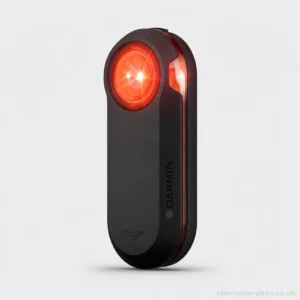
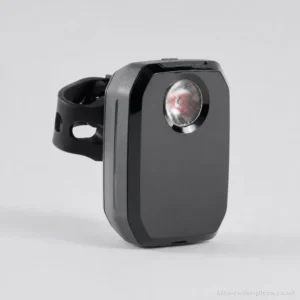
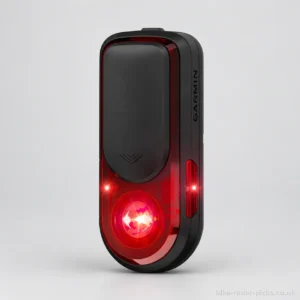
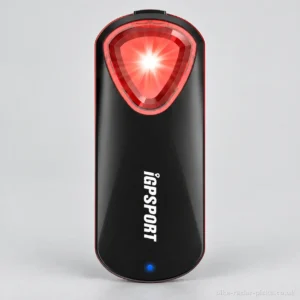
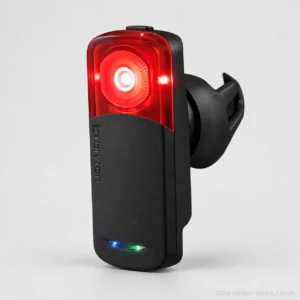
Bryton Gardia R300L
Top-ranked for detection range.
Read the review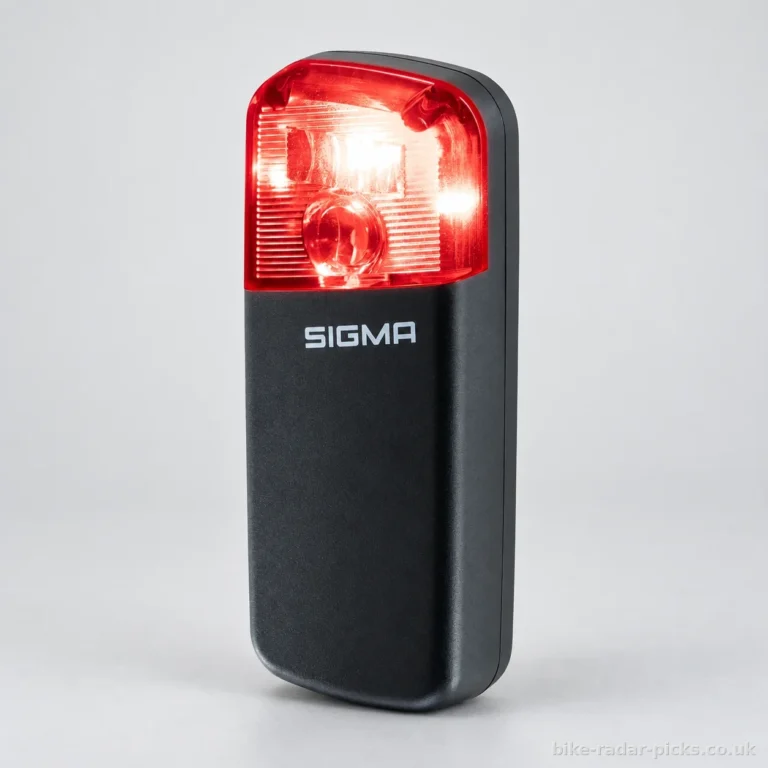 Our rankingsThe best bike radars24 bike radars
By bike computer compatibility
By detection range
By battery life
Features and options
Our guides to choosing
The stated ranges vary in Ripost's comparison. An IPX7 bike radar should also be chosen based on compatibility and battery life. The filters let you narrow down your selection to suit your needs.
Prices collected from retailers are for guidance only: they may have changed since, the current price is the one shown by the retailer. No price is shown for models sold only on Amazon. Amounts converted from reference prices in euros using a dated exchange rate.
Top-ranked for detection range.
Read the review
Key strength: weight, rated 9/10.
Read the review
Top-ranked for battery life and light output.
Read the review| Rankings | Rating | Price | Detection range | Battery life | Weight | Light output | Detection angle | Charging time | Battery capacity |
|---|---|---|---|---|---|---|---|---|---|
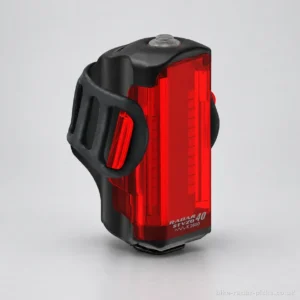
| 1. Bryton Gardia R300L | 8.5/10 | n/a | 190 m | 17 h | 66 g | 73 lm | n/a | n/a | n/a |
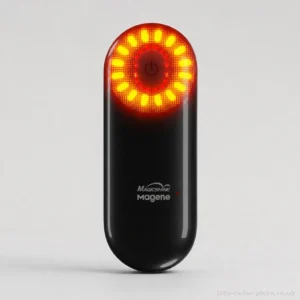
| 2. Magene L508 | 8/10 | n/a | 140 m | 19 h | 65 g | n/a | 40 ° | n/a | n/a |
| 3. Lezyne Radar Drive Rear | 7.9/10 | £103 | 150 m | 20 h | 144 g | 300 lm | 35 ° | 3 h | n/a |
| 4. Magicshine SEEMEE 508 | 7.9/10 | £84 | 140 m | 16 h | 65 g | 20 lm | 40 ° | n/a | 1500 mAh |
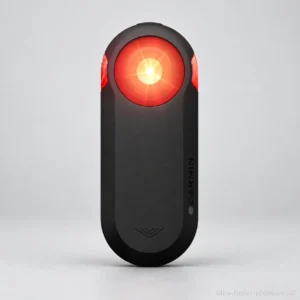
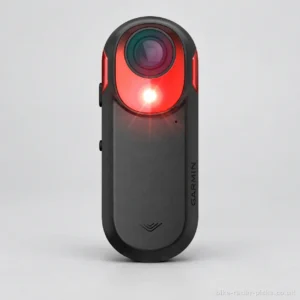
| 5. Garmin Varia RTL515 | 7.7/10 | £118 | 140 m | 16 h | 71 g | 65 lm | 40 ° | n/a | n/a |
Rankings are based on our review ratings, calculated by comparing manufacturer specifications across the full catalogue.Our methodology.
The best IPX7 bike radar for you is one with documented water protection, alerts compatible with your equipment and battery life that suits your rides. The water resistance rating is a useful criterion for riding in wet weather, but it is not enough to distinguish between devices.
The benefits are practical if you commute by bike in changeable weather, ride on country roads or extend your rides when rain sets in. You need equipment suited to these conditions without sacrificing clear alerts or rear visibility.
This range provides a guide to the radar lights available, with or without a camera. It is not a selection of models all confirmed to be IPX7-rated. Also allow for the possible cost of a suitable mount and a device to receive alerts.
IPX7 describes protection against water under defined conditions, not resistance in all circumstances. This designation covers temporary immersion. The X means that this rating provides no information about protection against solid objects, including dust. It therefore proves neither that they are kept out nor that there is no protection at all.
The available excerpts contain no reference to a standard detailing the conditions of this immersion. To understand the limits that apply to your device, consult its manual and check the exact model reference. A feature advertised for a product should not be assumed to apply to other models from the same brand.
Comparing an IPX7 device with an IPX6 bike radar also requires looking at the type of protection claimed. The higher digit alone does not mean that all uses involving water are covered.
A rear radar alerts you to approaching vehicles. To make an informed choice, distinguish between detection, alert transmission and light visibility. These functions meet different needs. An advertised detection range tells you neither how far away the light is visible nor how you will be alerted.
On a quiet road, an alert can draw your attention to a vehicle approaching from behind. In heavy traffic, focus on the display and adjustment options. If you are looking for a bike radar compatible with Garmin, check that your specific bike computer supports the radar function.
The absence of an alert never guarantees that the road is clear. The device helps you stay alert and does not replace a visual check before changing direction or position.
The selection on this page will help you match these criteria to your riding habits. Start with the documented rating and compatibility, then compare battery life, mounting and the functions that are useful for your journeys.
To choose the best bike radar IPX7, first check the protection rating of the exact model and how alerts are received on your equipment. Then compare detection, battery life and mounting. Water resistance matters when riding in the rain, but it is not enough to distinguish between devices.
Look for an explicit IPX7 rating in the manufacturer's specifications or manual. A commercial description that simply says “waterproof” does not confirm this rating. Also check the full model reference, as the specifications of a variant do not automatically apply to others.
Read the instructions for the charging port, its cover if fitted, and maintenance. Do not treat the IPX7 rating as permission to pressure-wash the device. If documentation is missing or unclear, keep the model under consideration rather than assuming its protection is suitable.
The deciding factor is support for radar functions, not just the ability to connect an accessory. Before buying a Garmin-compatible bike radar, check that your exact bike computer model is listed among the supported devices.
Consider how you actually ride. If your phone stays in a pocket, visual-only alerts will not meet your needs. Also check the settings that keep alerts noticeable during navigation.
Do not confuse vehicle detection distance with the distance at which the light can be seen. The former determines how early you receive alerts; the latter concerns your visibility. A high value in either column tells you nothing about the other.
The claimed range is not enough to establish detection quality. Look for information about multiple vehicles, bends and heavy traffic. The available excerpts do not cover these situations sufficiently to identify any device as the most reliable.
On open roads, prioritise alerts that are easy to understand. In town, also examine the sound settings available. In every case, the absence of an alert does not guarantee a clear road: a visual check is still necessary before any manoeuvre.
Compare battery life in the mode you will actually use. A device's maximum battery life is not directly comparable to a figure quoted with continuous lighting or an active camera. For a bike radar with a steady light, look specifically for the battery life with that lighting mode.
Choose a claimed battery life longer than your usual ride, with a margin for detours and missed charges. Check the connector, the cable required and how the battery level is indicated.
A bike radar with braking detection is worth considering if this function suits your needs. However, it should not take priority over receiving alerts or battery life in your chosen mode.
Check the shape of your seatpost and the mounts explicitly listed as compatible. Check what is included, then identify any adapters you may need. Include any mount sold separately in your comparison before buying.
If you have a saddlebag, mudguard or rack, identify the intended mounting position and check the installation requirements. The light must remain visible and the radar must be correctly aligned according to the instructions. Do not choose a setup simply because the mount appears to fit.
Compare the cost of a complete, usable setup including the radar, a suitable mount and a receiving device if needed. No usable pricing data is provided for this collection, so a numerical price range would not be sufficiently supported.
To keep costs down, prioritise essential features and compatibility with your current equipment. For long rides, give more weight to documented battery life. Consider a camera only if you want to record your rides, after checking charging and file management requirements.
| Criterion | What to look for | Common mistake |
|---|---|---|
| Protection | Confirmed IPX7 rating for the exact model | Relying solely on the word “waterproof” |
| Compatibility | Alerts supported by your device | Confusing connectivity with available features |
| Detection | Information suited to your rides | Choosing solely by maximum range |
| Battery life | Sufficient runtime in the mode used | Comparing different modes |
| Mounting | Correct, unobstructed installation | Forgetting about the saddlebag |
| Budget | A complete, compatible setup | Leaving out necessary accessories |
Choose the model with documented IPX7 protection, compatible alerts and a suitable mount. Then compare the contenders based on usable battery life and total cost. Any missing specification should be checked before buying, especially if it affects your everyday use.
The best IPX7 bike radar is one with documented protection and alerts that work with your equipment. For daily journeys, prioritise straightforward alerts and mounting. For long rides, check battery life in the lighting mode you actually use. A camera serves a separate recording need. The IPX7 rating alone is not enough to distinguish between models in terms of detection or ease of use.
The comparison depends on which Garmin Varia model you mean, as the range includes several models. The supplied Ripost table lists a maximum range of approximately 190 m for the Bryton Gardia R300L, compared with approximately 140 to 150 m for the Varia RTL515. These stated distances do not prove that alerts are more reliable. When choosing a Garmin-compatible bike radar, first check support for your exact bike computer, then compare mounting, lighting and battery life in equivalent modes.
Choose a model whose documentation confirms that radar alerts remain available without a subscription on your bike computer or phone. The supplied excerpts do not allow this to be verified for every model. Check for any paid app features and required accessories before buying. A rear bike radar alerts you to approaching vehicles; it serves a different purpose from a speed camera warning device.
An IPX7 rating is a useful guide, but also check that the manual permits use in rain under the expected conditions. It covers protection against water under defined conditions, without guaranteeing resistance in every situation. Check the instructions for the charging port and its cover, if fitted. IPX7 protection does not automatically demonstrate IPX6 protection: the requirements for immersion and water jets are different.
Do not treat an IPX7 rating as permission to clean your radar with a water jet. Resistance to immersion does not guarantee resistance to jets, particularly pressurised ones. Follow the manufacturer's cleaning instructions; if there are no clear instructions, opt for gentle cleaning with a slightly damp cloth. Avoid directing water towards the connectors and let the device dry as instructed in the manual before recharging it.
Yes, if the model supports receiving alerts on a phone or compatible receiver. You need to check this for your chosen model: a wireless connection alone does not guarantee that vehicles will be displayed or audible warnings provided. Check how you will receive alerts while riding, particularly when your phone screen is locked. Also consider your phone's battery life and how it will be mounted when making your choice.
No, you should never assume that a bike radar will detect every vehicle in every situation. The stated range alone does not describe how it behaves on bends, in heavy traffic or when several vehicles follow one another. The supplied excerpts do not document these limitations sufficiently to distinguish between models. The absence of an alert does not guarantee that the road is clear: continue to check visually before changing direction.
Mount the radar in a position permitted by its manual, where the bag obscures neither the sensor nor the light. Check clearance with the bag full and securely fastened. If the seatpost is no longer accessible, look for a compatible mount specifically designed for your setup. Radar stability and orientation are crucial: avoid an improvised attachment to a flexible part that could move during the ride.